Brazilian Jiu-Jitsu, often referred to as BJJ, is a martial art that has gained immense popularity worldwide. In Makati City, more and more people are stepping into local gyms to experience it for themselves. Originating in Brazil, this grappling-based combat sport emphasizes the use of leverage, technique, and strategy to overcome larger, stronger opponents. Whether one’s goal is self-defense, competition, or personal growth, mastering the basics of Brazilian Jiu-Jitsu is crucial for laying a solid foundation.
In this comprehensive guide, we will delve into the fundamental principles and techniques that every beginner should master. From understanding the importance of proper body positioning to developing effective grappling and submission skills, this article will equip you with the essential knowledge to embark on your BJJ journey with confidence.
What is Brazilian Jiu-Jitsu and Why is it Different From Other Martial Arts?
Brazilian Jiu-Jitsu is a martial art that revolves around the concept of using an opponent’s force against them. Unlike striking-based martial arts, BJJ focuses on grappling, joint locks, and chokes to control and submit an opponent. The key to success in BJJ lies in mastering the basics, which serve as the building blocks for more advanced techniques.
Principles of Brazilian Jiu-Jitsu
Principles of Brazilian Jiu-Jitsu are rooted in the effective use of leverage, timing, and positioning. Leverage is a fundamental concept, emphasizing the use of proper body mechanics to exert maximal force and control over an opponent, regardless of size differences. This principle allows practitioners to perform techniques such as holds, locks, and throws with efficiency. Timing is equally critical in Brazilian Jiu-Jitsu; it involves the keen ability to recognize and exploit the right moments during grappling exchanges. This could mean executing a sweep when an opponent is off-balance or transitioning to a more advantageous position when they least expect it. Positioning is about securing a dominant stance from which techniques can be effectively executed. This involves moving into and maintaining positions where one can control the opponent while minimizing their own vulnerabilities.
Mindset and Discipline
The mental and disciplinary aspects of Brazilian Jiu-Jitsu are encapsulated in the principles of respect, perseverance, and patience. Respect is a core value, promoting a humble and considerate attitude towards both training partners and instructors. This fosters a positive learning environment and helps maintain the integrity of the sport. Perseverance is about embracing the ongoing journey of learning and improvement. It encourages students to continue training through challenges and setbacks, understanding that each session enhances their skill set. Patience is crucial, as mastery in Brazilian Jiu-Jitsu does not come quickly. It requires sustained effort and dedication, acknowledging that the path to proficiency is a long-term commitment. Together, these principles not only shape a skilled practitioner but also contribute to personal growth and character development.
How Important is Body Positioning in Brazilian Jiu-Jitsu?
Proper body positioning is the cornerstone of effective Brazilian Jiu-Jitsu technique execution. It not only enhances the efficiency of your movements but also minimizes the risk of injury and maximizes control over your opponent. Here are some key aspects of body positioning that beginners should prioritize:
Base and Balance
Maintaining a stable base by distributing weight evenly developing a strong sense of balance to remain grounded during grappling exchanges.
Posture and Alignment
Keeping the spine aligned and posture upright for optimal leverage, avoiding compromised positions that expose vulnerabilities.
Hip Control
Understanding the importance of controlling your hips and your opponent’s hips utilizing hip movement to create angles and apply pressure.
What Do Beginners Need to Focus on First in BJJ?
While Brazilian Jiu-Jitsu encompasses a vast array of techniques, there are certain fundamental moves that every beginner should master. These techniques form the foundation upon which more advanced skills can be built. Here are some essential BJJ techniques for beginners:
Guard Positions
- Closed Guard: Controlling your opponent with your legs wrapped around their torso
- Open Guard: Using your legs to create distance and attack from a distance
Escapes and Sweeps
- Side Control Escape: Regaining a neutral position from a compromised side control situation
- Guard Sweep: Using leverage and momentum to reverse positions and gain top control
Submissions
- Rear Naked Choke: A powerful choking technique applied from behind your opponent
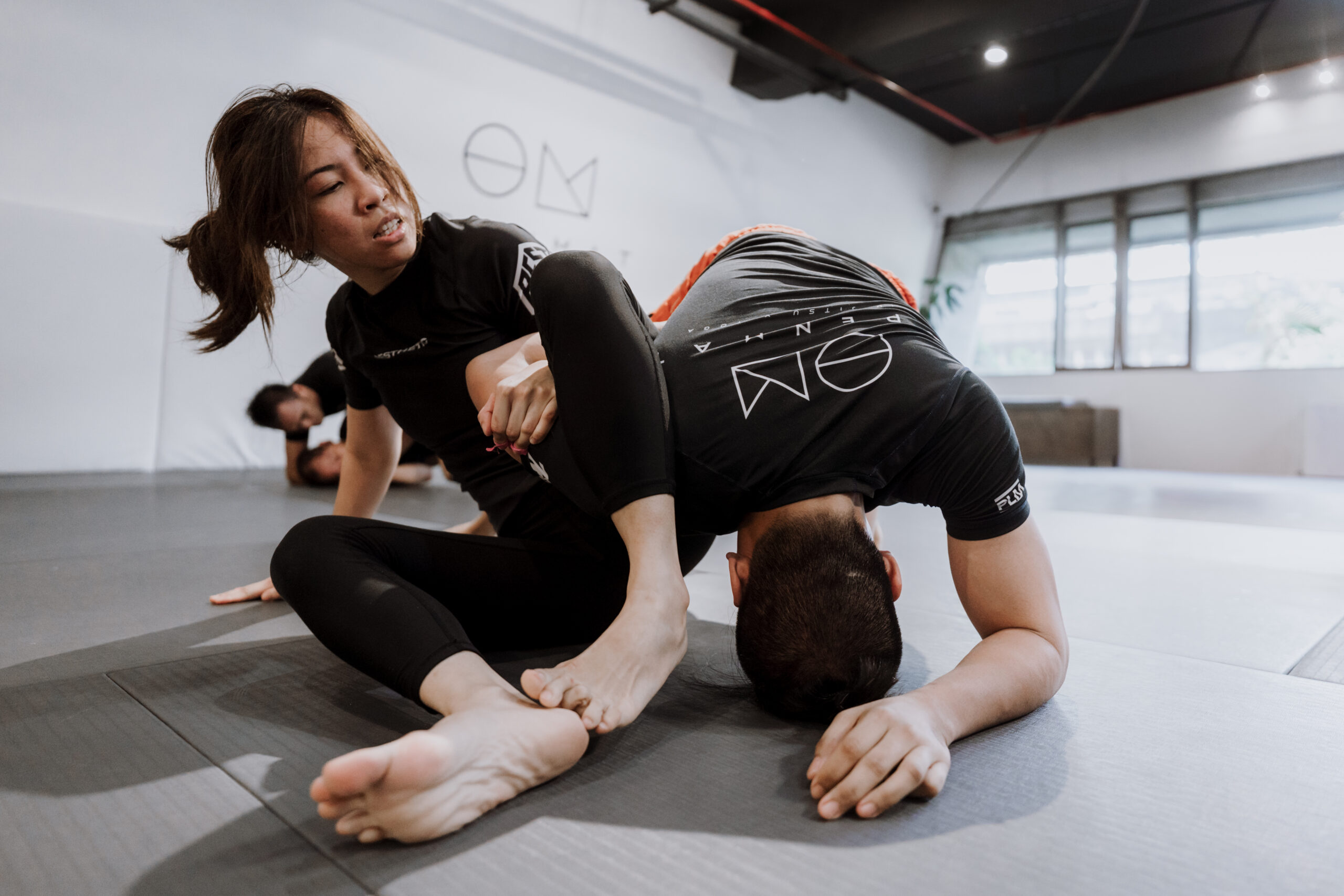
- Armbar: A joint lock targeting the elbow joint, often applied from the guard position
Mastering these techniques not only equips beginners with a solid skill set but also instills confidence and a sense of accomplishment on the mats.
How Do You Build Better Grappling and Submission Skills?
While technique is paramount in Brazilian Jiu-Jitsu, developing effective grappling and submission skills requires a combination of physical attributes and mental fortitude. Here are some key aspects to focus on:
Grip Fighting and Control
- Establishing and maintaining a strong grip on your opponent’s gi or limbs
- Utilizing grip fighting to control your opponent’s movements and create openings
Transitioning and Chaining Techniques
- Smoothly transitioning between techniques and positions
- Chaining techniques together to maintain control and create submission opportunities
Pressure and Submission Resistance
- Applying constant pressure to wear down your opponent’s defenses
- Developing the ability to resist and escape submission attempts
Conditioning and Endurance
- Building cardiovascular endurance to maintain intensity throughout training sessions
- Developing muscular endurance to withstand the demands of grappling exchanges
By honing these skills, beginners can enhance their overall grappling prowess, increase their chances of securing submissions, and develop the mental toughness necessary for success in Brazilian Jiu-Jitsu.
What Mistakes Should Beginners Avoid in BJJ Training?
While learning Brazilian Jiu-Jitsu, it’s common for beginners to make certain mistakes that can hinder their progress. Being aware of these pitfalls can help you avoid them and accelerate your learning curve. Here are some common mistakes to avoid:
Relying Solely on Strength
- Attempting to force techniques through brute strength instead of leveraging proper technique
- Failing to utilize the principles of leverage and timing
Lack of Patience and Rushing
- Trying to rush through techniques without proper setup or control
- Failing to remain calm and composed during grappling exchanges
Neglecting Defense and Positioning
- Focusing solely on offensive techniques while neglecting defensive positioning
- Compromising base and balance, leading to vulnerability
Overtraining and Burnout
- Pushing too hard, too soon, leading to physical and mental burnout
- Failing to allow adequate rest and recovery between training sessions
By identifying and addressing these common mistakes, beginners can avoid unnecessary setbacks and maintain a steady progression in their Brazilian Jiu-Jitsu journey.
What’s the Best Way to Practice and Drill BJJ Basics?
Mastering the basics of Brazilian Jiu-Jitsu requires consistent drilling and practice. Repetition is key to ingraining techniques and developing muscle memory. Here are some effective strategies for drilling and practicing BJJ basics:
Solo Drills
- Practicing techniques solo, focusing on proper form and movement patterns
- Utilizing tools like grappling dummies or resistance bands for added resistance
Partner Drills
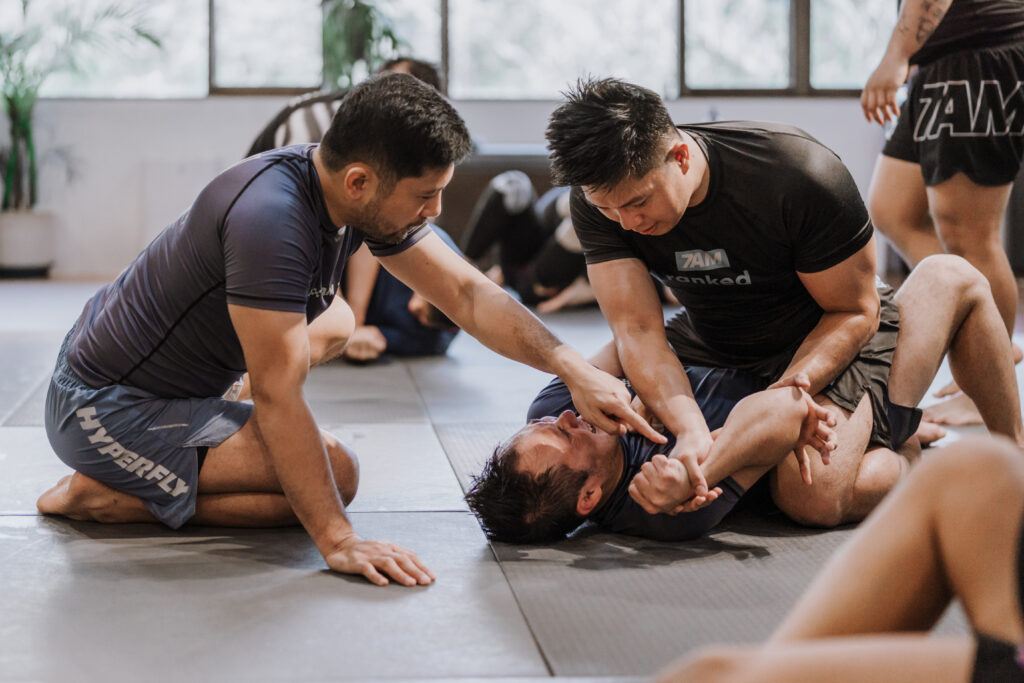
- Partnering up with training partners to practice techniques at varying intensities
- Incorporating positional sparring and situational drills
Visualization and Mental Rehearsal
- Visualizing techniques and grappling scenarios in your mind
- Mentally rehearsing the execution of techniques and strategies
Feedback and Coaching
- Seeking feedback from experienced instructors and training partners
- Incorporating feedback to refine and improve technique execution
By consistently drilling and practicing the basics, beginners can develop muscle memory, refine their technique, and build a solid foundation for future growth in Brazilian Jiu-Jitsu.
How Can I Improve Faster in Brazilian Jiu-Jitsu?
While mastering the basics is essential, continuous improvement in Brazilian Jiu-Jitsu requires a commitment to ongoing learning and development. Here are some tips to help you enhance your BJJ skills:
Attend Classes Regularly
- Consistent attendance and exposure to instruction are crucial for skill development
- Make Brazilian Jiu-Jitsu training a regular part of your routine
Cross-Train and Diversify
- Explore complementary martial arts or fitness disciplines to enhance your overall athleticism
- Diversifying your training can provide new perspectives and insights
Watch Instructional Videos and Study
- Utilize online resources, instructional videos, and books to deepen your understanding
- Study techniques, strategies, and the history of Brazilian Jiu-Jitsu
Compete and Test Your Skills
- Participate in competitions or friendly in-house tournaments
- Competing can help identify areas for improvement and build mental toughness
Stay Humble and Open-Minded
- Embrace a growth mindset and remain open to learning from instructors and training partners
- Avoid complacency and continuously seek ways to improve
By incorporating these tips into your training regimen, you can continually elevate your Brazilian Jiu-Jitsu skills and progress towards mastery of this rich and rewarding martial art.
Takeaway
Mastering the basics of Brazilian Jiu-Jitsu is a journey that requires dedication, perseverance, and a commitment to continuous learning. By understanding the fundamental principles, techniques, and strategies outlined in this guide, beginners can lay a solid foundation for their BJJ journey.
If you’re in Makati City and curious about martial arts, Open Mat Makati’s Brazilian Jiu-Jitsu classes is one of the best places to start. The fundamentals you learn now—positioning, escapes, and simple submissions—are skills that will carry you through your entire journey.
Remember, the path to proficiency is paved with consistent practice, attention to detail, and a willingness to learn from mistakes. Embrace the challenges and celebrate the small victories along the way, for they are stepping stones towards mastery.