In a world where personal safety is a growing concern, mastering the art of self-defense has become increasingly crucial. Brazilian Jiu-Jitsu (BJJ), a grappling-based martial art, offers a comprehensive set of techniques that can empower individuals to defend themselves effectively in various situations. This article delves into the realm of BJJ self-defense, highlighting the importance of these skills and introducing five essential techniques that every practitioner should master.
BJJ is renowned for its emphasis on leverage, positioning, and submission holds, making it an invaluable tool for self-defense. Unlike striking-based martial arts, BJJ focuses on controlling and neutralizing an opponent without relying solely on physical strength. This makes it an ideal choice for individuals of all ages, sizes, and genders, providing a practical and adaptable approach to self-protection.
Developing proficiency in BJJ self-defense techniques not only equips individuals with the physical skills necessary for self-defense but also cultivates a mindset of confidence, awareness, and composure. By mastering these techniques, practitioners gain the ability to remain calm under pressure and respond appropriately to potential threats, ultimately enhancing their overall sense of security.
Why is Brazilian Jiu-Jitsu Effective for Self-Defense?
In an increasingly unpredictable world, the ability to defend oneself has become a vital skill. Violent incidents, whether in public spaces, workplaces, or personal relationships, can occur without warning. Possessing self-defense skills empowers individuals to respond effectively to such situations, potentially mitigating harm and ensuring personal safety.
Furthermore, self-defense training instills a sense of confidence and self-assurance that can have a profound impact on an individual’s overall well-being. By developing the ability to protect themselves, individuals can navigate their daily lives with a heightened sense of security and reduced fear or anxiety.
Beyond physical protection, self-defense skills also foster mental and emotional resilience. The discipline and focus required to master these techniques can translate into improved decision-making abilities, increased self-awareness, and a more positive mindset, all of which contribute to a more fulfilling and empowered life.
What Do You Learn First About BJJ Self-Defense?
Before delving into specific techniques, it is essential to understand the fundamental principles that underpin BJJ’s effectiveness in self-defense situations. These principles serve as the foundation upon which all BJJ techniques are built and ensure their practical application in real-life scenarios.
- Leverage and Positioning: BJJ emphasizes the efficient use of leverage and proper body positioning to control and neutralize an opponent, regardless of their size or strength. By utilizing proper technique, practitioners can effectively defend themselves against larger or stronger opponents.
- Ground Fighting: Unlike many other martial arts that primarily focus on standing techniques, BJJ embraces the reality that many self-defense situations may end up on the ground. By developing proficiency in ground fighting, practitioners can maintain control and protect themselves in these situations.
- Control and Submission: BJJ techniques are designed to control and subdue an opponent without causing excessive harm. Through the application of joint locks and chokes, practitioners can render an attacker compliant or unconscious, effectively neutralizing the threat while minimizing the risk of serious injury.
- Adaptability: BJJ emphasizes the ability to adapt to various situations and opponents. Its techniques are versatile and can be applied in a wide range of scenarios, making it an invaluable self-defense system for individuals of all backgrounds and physical capabilities.
By understanding and internalizing these fundamental principles, practitioners can develop a solid foundation upon which to build their self-defense skills and effectively apply BJJ techniques in real-life situations.
Essential BJJ self-defense techniques – Armbar
The armbar is a quintessential BJJ technique that every practitioner should master for self-defense purposes. This submission hold targets the opponent’s elbow joint, applying immense pressure and rendering them unable to continue their attack.
To execute the armbar, the practitioner traps the opponent’s arm between their legs and applies leverage by extending their hips and straightening their body. When executed correctly, the armbar can be applied from various positions, including the guard, mount, and side control, making it a versatile and effective self-defense technique.
Advantages of the Armbar:
- Highly effective against larger opponents
- Can be applied from multiple positions
- Provides control and submission potential
- Relatively low risk of injury when applied properly
Key Points for Execution:
- Proper grip and arm positioning
- Tight body positioning and hip control
- Controlled application of leverage
- Awareness of potential counter-attacks
Real-Life Applications:
- Defending against strikes or grappling attacks
- Controlling and subduing an aggressor
- Neutralizing a threat in confined spaces
Essential BJJ self-defense techniques – Rear Naked Choke
The rear naked choke is a highly effective and widely recognized BJJ technique that can be a lifesaver in self-defense situations. This choke involves applying pressure to the opponent’s carotid arteries, restricting blood flow to the brain and potentially rendering them unconscious.
To execute the rear naked choke, the practitioner positions themselves behind the opponent, securing a tight grip around their neck and applying controlled pressure. This technique can be applied from various positions, including the rear mount, back control, and even standing situations, making it versatile and adaptable to different scenarios.
Advantages of the Rear Naked Choke:
- Highly effective for controlling and subduing an opponent
- Relatively low risk of injury when applied properly
- Can be applied from multiple positions
- Provides a controlled and non-lethal means of neutralizing a threat
Key Points for Execution:
- Proper grip and hand positioning
- Tight body positioning and control
- Controlled application of pressure
- Awareness of potential counter-attacks and escape attempts
Real-Life Applications:
- Defending against strikes or grappling attacks from behind
- Controlling and subduing an aggressor in confined spaces
- Neutralizing a threat without causing excessive harm
Essential BJJ self-defense techniques – Triangle Choke
The triangle choke is a highly versatile and effective BJJ technique that can be applied in a variety of self-defense situations. This choke involves trapping the opponent’s arm and neck within the practitioner’s legs, applying pressure to the carotid arteries and potentially rendering the opponent unconscious.
To execute the triangle choke, the practitioner positions their legs in a triangle shape around the opponent’s head and arm, securing a tight grip and applying controlled pressure. This technique can be applied from various positions, including the guard, mount, and side control, making it a valuable addition to any self-defense practitioner’s arsenal.
Advantages of the Triangle Choke:
- Highly effective for controlling and subduing an opponent
- Can be applied from multiple positions
- Provides a controlled and non-lethal means of neutralizing a threat
- Difficult to escape once properly applied
Key Points for Execution:
- Proper leg positioning and grip
- Tight body positioning and control
- Controlled application of pressure
- Awareness of potential counter-attacks and escape attempts
Real-Life Applications:
- Defending against strikes or grappling attacks from various positions
- Controlling and subduing an aggressor in confined spaces
- Neutralizing a threat without causing excessive harm
Essential BJJ self-defense techniques – Guillotine Choke
The guillotine choke is a powerful and potentially life-saving BJJ technique that every self-defense practitioner should have in their arsenal. This choke involves applying pressure to the opponent’s trachea and carotid arteries, restricting airflow and blood flow to the brain, and potentially rendering them unconscious.
To execute the guillotine choke, the practitioner wraps their arms around the opponent’s neck, securing a tight grip and applying controlled pressure. This technique can be applied from various positions, including the guard, mount, and even standing situations, making it highly versatile and adaptable to different self-defense scenarios.
Advantages of the Guillotine Choke:
- Highly effective for controlling and subduing an opponent
- Can be applied from multiple positions
- Provides a controlled and non-lethal means of neutralizing a threat
- Relatively simple to learn and execute
Key Points for Execution:
- Proper grip and arm positioning
- Tight body positioning and control
- Controlled application of pressure
- Awareness of potential counter-attacks and escape attempts
Real-Life Applications:
- Defending against strikes or grappling attacks from various positions
- Controlling and subduing an aggressor in confined spaces
- Neutralizing a threat without causing excessive harm
Essential BJJ self-defense techniques – Kimura Lock
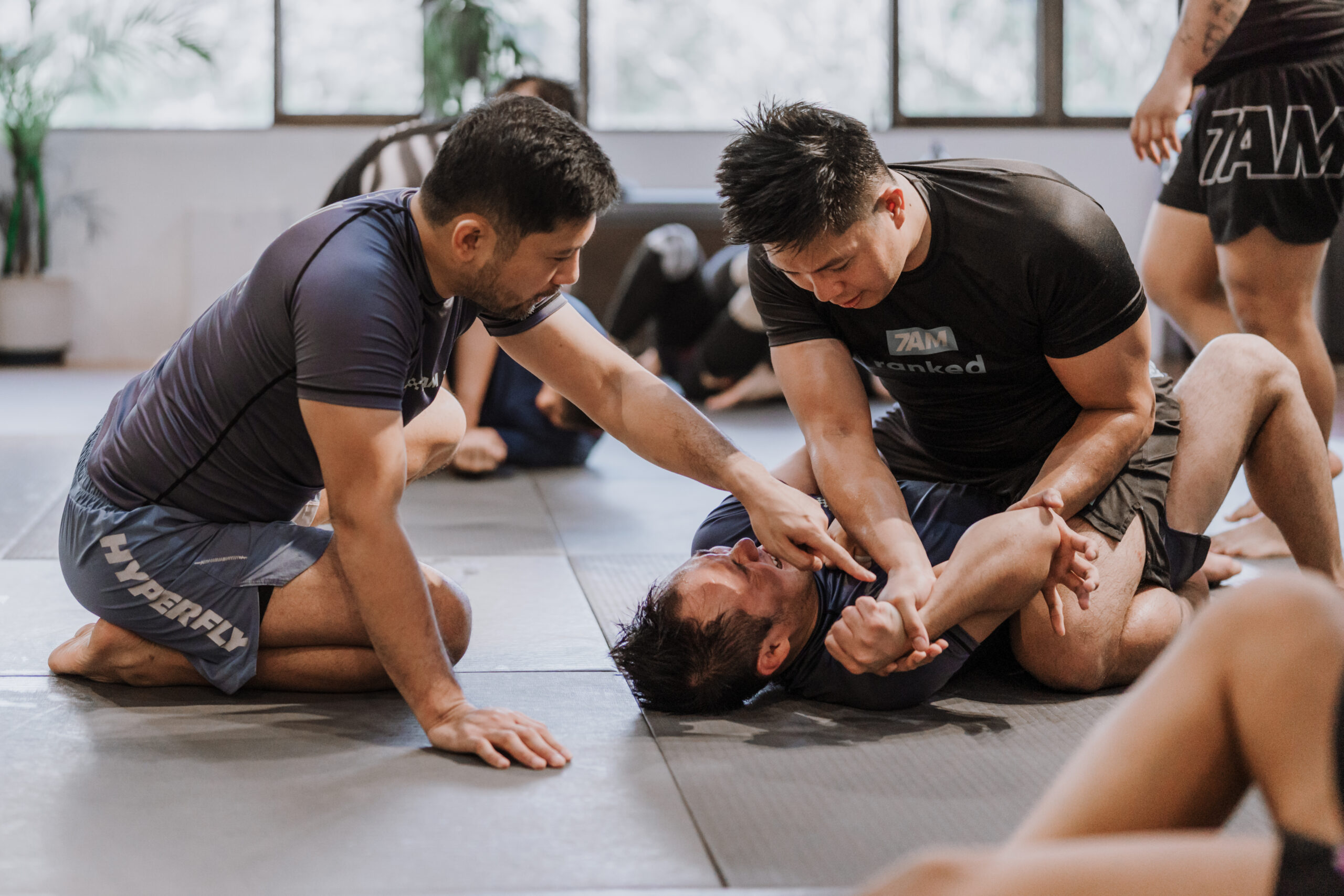
The Kimura lock is a highly effective and versatile BJJ technique that targets the opponent’s shoulder joint, applying immense pressure and potentially causing a submission or injury. This technique is particularly useful in self-defense situations where controlling and neutralizing an opponent is essential.
To execute the Kimura lock, the practitioner traps the opponent’s arm in a specific grip, applying leverage and pressure to the shoulder joint. This technique can be applied from various positions, including the guard, mount, and side control, making it a valuable addition to any self-defense practitioner’s arsenal.
Advantages of the Kimura Lock:
- Highly effective for controlling and subduing an opponent
- Can be applied from multiple positions
- Provides a controlled and potentially disabling means of neutralizing a threat
- Relatively low risk of injury when applied properly
Key Points for Execution:
- Proper grip and arm positioning
- Tight body positioning and control
- Controlled application of leverage and pressure
- Awareness of potential counter-attacks and escape attempts
Real-Life Applications:
- Defending against strikes or grappling attacks from various positions
- Controlling and subduing an aggressor in confined spaces
- Neutralizing a threat without causing excessive harm
How Do You Practice BJJ Self-Defense Techniques?
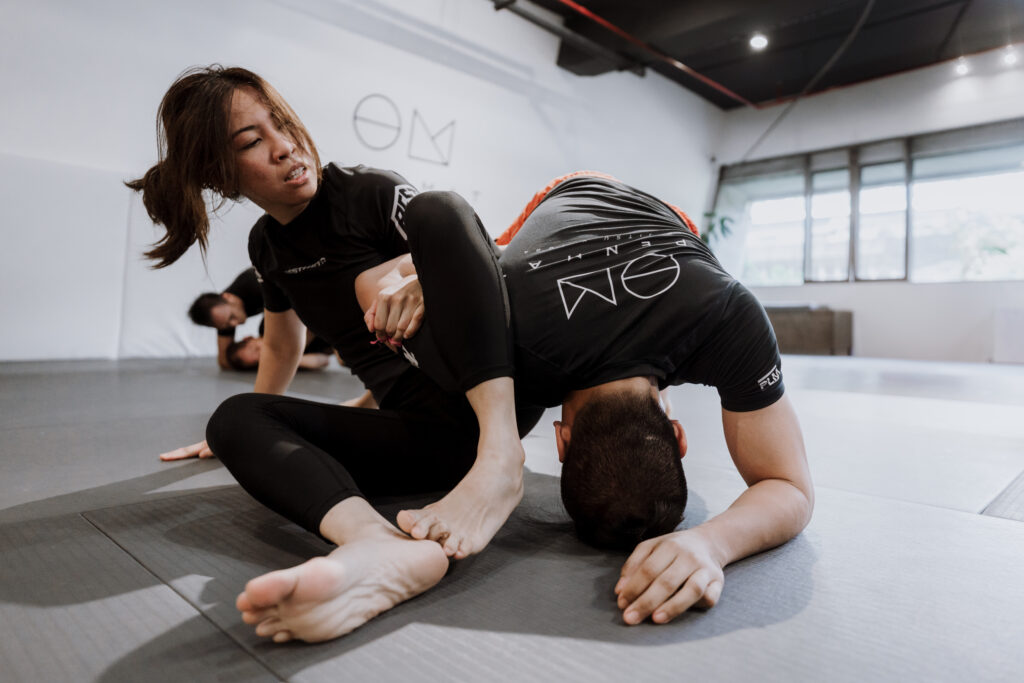
Mastering BJJ self-defense techniques requires dedicated practice and a commitment to continuous improvement. Here are some essential steps to help you effectively practice and refine these techniques:
- Start with Proper Instruction: Seek guidance from experienced BJJ instructors who can provide proper technique demonstrations, feedback, and guidance. Learning from qualified instructors will ensure you develop correct form and avoid potential injuries.
- Drill and Repetition: Consistent drilling and repetition are key to ingraining the techniques into muscle memory. Break down each technique into smaller components and practice them repeatedly until they become second nature.
- Partner Training: Practice the techniques with cooperative training partners, gradually increasing resistance and realism. This will help you develop the timing, sensitivity, and adaptability necessary for effective application in self-defense situations.
- Situational Training: Incorporate the techniques into various scenarios and situations that simulate real-life self-defense situations. This will help you develop the ability to apply the techniques under pressure and in different contexts.
- Cross-Training: Complement your BJJ training with other martial arts or self-defense systems. This will broaden your understanding of different techniques and scenarios, enhancing your overall self-defense capabilities.
- Mindset Training: Develop the proper mindset for self-defense by practicing situational awareness, risk assessment, and decision-making skills. A strong mental foundation is crucial for effective self-defense.
- Seek Feedback and Adjust: Continuously seek feedback from instructors and training partners, and be open to making adjustments and improvements. Self-reflection and a willingness to learn are essential for mastering these techniques.
Can You Really Use BJJ in Real-Life Self-Defense?
While practicing BJJ self-defense techniques in a controlled training environment is essential, it is equally important to understand how to apply these techniques effectively in real-life situations. Here are some key considerations for applying BJJ self-defense techniques in real-world scenarios:
- Situational Awareness: Maintain a heightened sense of awareness of your surroundings and potential threats. This will allow you to identify potential risks and respond appropriately, potentially avoiding or de-escalating a confrontation before it escalates.
- Threat Assessment: Quickly assess the nature and severity of the threat you are facing. This will help you determine the appropriate level of force and technique to employ, ensuring a proportionate response.
- Verbal De-escalation: Whenever possible, attempt to verbally de-escalate the situation before resorting to physical self-defense. Clear communication and a calm demeanor can often defuse tensions and prevent further escalation.
- Controlled Application: When applying BJJ self-defense techniques, use controlled and measured force. The goal is to neutralize the threat, not cause excessive harm. Apply techniques with precision and control, and disengage as soon as the threat is neutralized.
- Environmental Awareness: Be aware of your surroundings and potential obstacles or hazards that could impact the application of techniques. Adapt your approach accordingly to ensure your safety and the safety of bystanders.
- Legal Considerations: Familiarize yourself with the legal framework and self-defense laws in your jurisdiction. Understand the principles of reasonable force and the circumstances under which the use of force is justified.
- Confidence and Composure: Maintain a calm and confident demeanor throughout the encounter. Your mental state and body language can influence the outcome of the situation.
- Follow-up and Reporting: After a self-defense incident, promptly report the incident to the appropriate authorities and seek medical attention if necessary. Document the details and cooperate with any investigations.
Takeaway
Mastering BJJ self-defense techniques is a journey that empowers individuals to navigate the complexities of modern life with confidence and preparedness. By incorporating the armbar, rear naked choke, triangle choke, guillotine choke, and Kimura lock into your repertoire, you gain a formidable set of tools to protect yourself and your loved ones in various situations.
The true power of BJJ self-defense lies not only in the physical techniques but also in the mindset it fosters. Through dedicated practice and a commitment to continuous improvement, you develop a heightened sense of awareness, composure under pressure, and the ability to make sound decisions in high-stakes situations.
If you’re in Makati City and looking for a practical self-defense system, Open Mat Makati’s Brazilian Jiujitsu (BJJ) is one of the best martial arts to start with. The training not only teaches techniques but also builds awareness, confidence, and resilience—skills you’ll carry both on and off the mats.