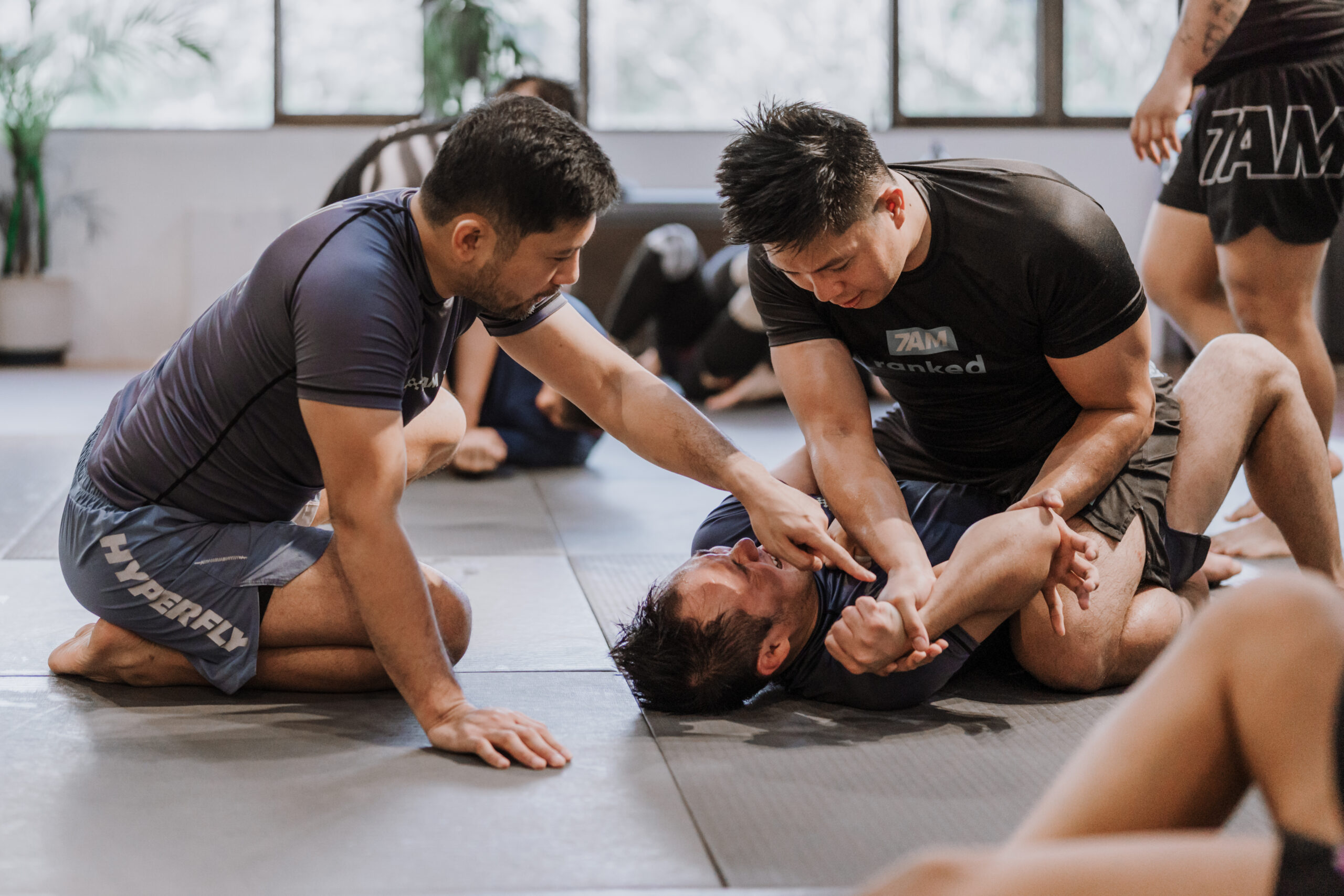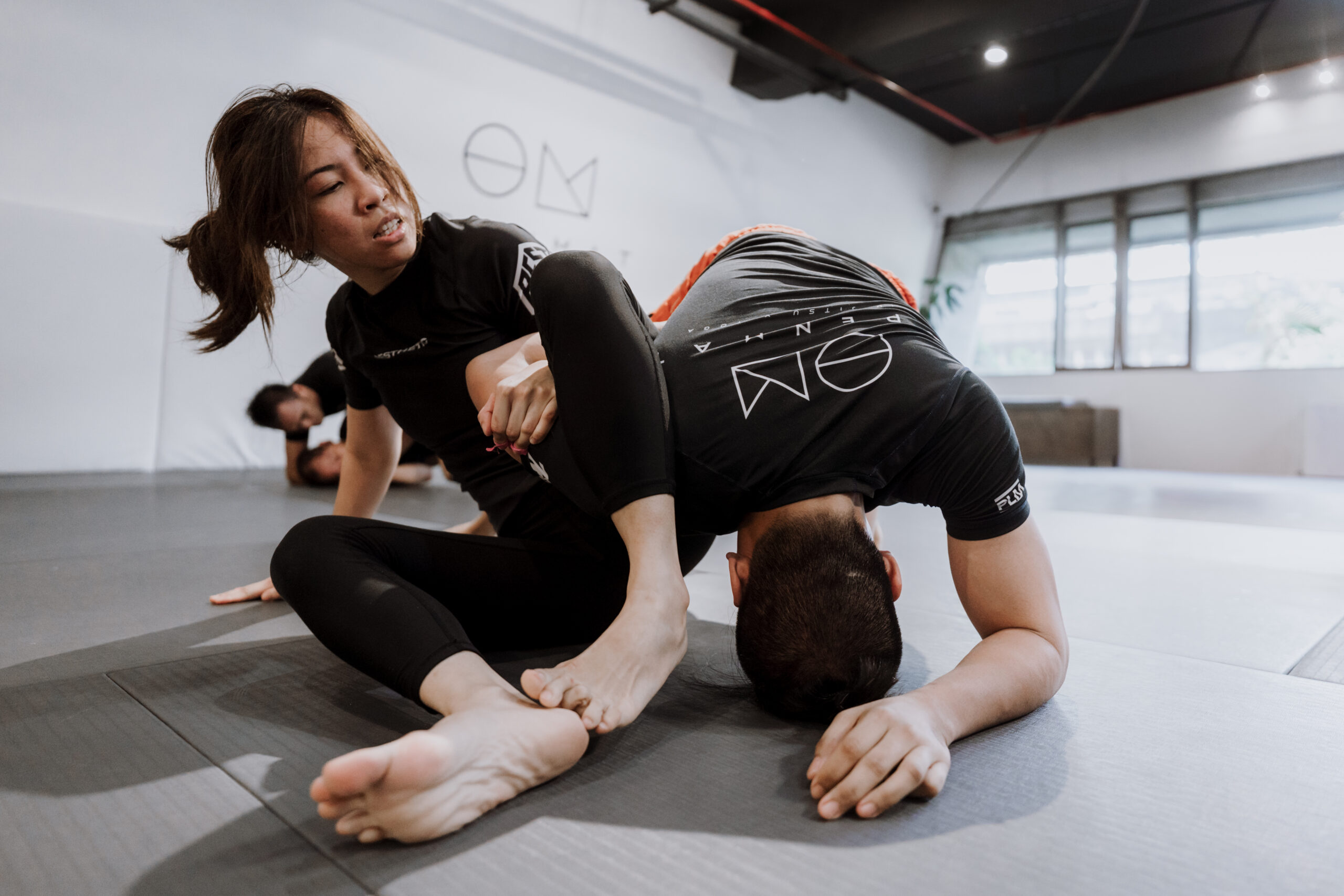
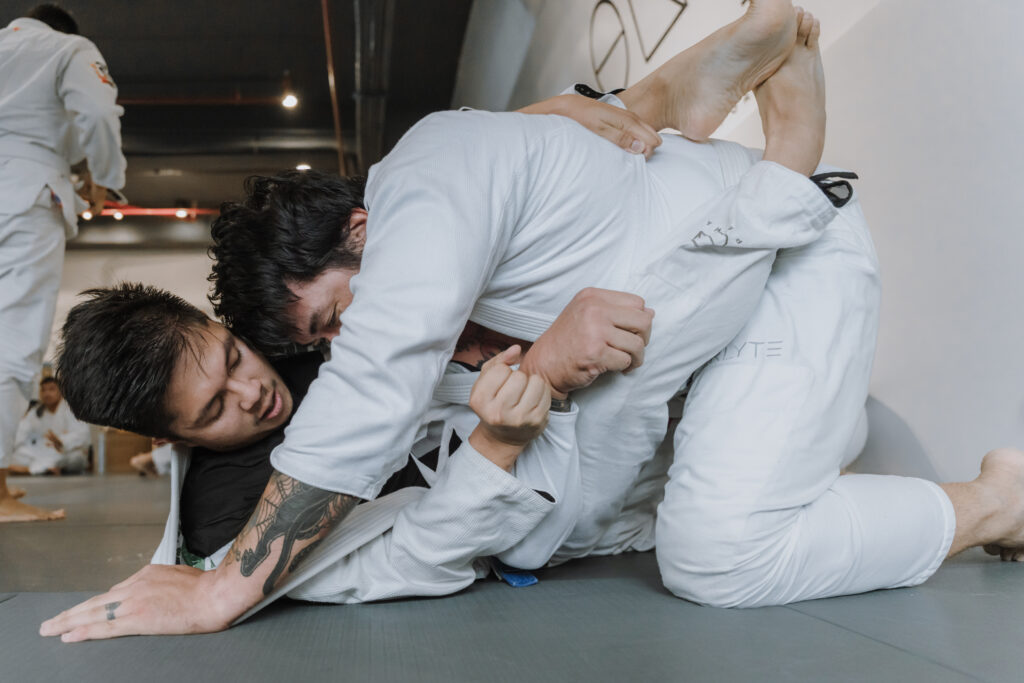
In the dynamic world of Brazilian Jiu-Jitsu (BJJ), rolling techniques are the foundation upon which practitioners build their skills. These techniques encompass a diverse array of movements, ranging from basic positional transitions to advanced submission setups. Mastering these rolling techniques is essential for any BJJ practitioner who aspires to excel in live sparring and competition.
BJJ rolling techniques are the lifeblood of the art, allowing practitioners to fluidly transition between positions, maintain control, and create opportunities for submissions. Whether you’re a beginner or an experienced grappler, honing these techniques is crucial for developing a well-rounded and effective game.
What Does “Rolling” Mean in Brazilian Jiu-Jitsu?
In Brazilian Jiu-Jitsu, “rolling” is the term used for live sparring. It’s where you and a partner try to apply techniques against each other in real time. Rolling is what makes BJJ different from many other martial arts—you practice in a way that feels like a real fight, but in a safe and controlled setting.
For beginners, rolling can feel overwhelming at first. For advanced practitioners, it’s where creativity and strategy shine. Either way, rolling is how you sharpen your skills and test everything you’ve learned in class.
Why is Rolling Important in BJJ Training?
Mastering BJJ rolling techniques is paramount for several reasons:
Improved Control and Stability
Effective rolling techniques enable practitioners to maintain a stable base, control their opponent’s movements, and minimize the risk of being swept or submitted.
Seamless Positional Transitions
Proficiency in rolling techniques facilitates smooth transitions between positions, allowing practitioners to exploit openings and advance their position on the mat.
Enhanced Submission Setups
Many submissions in BJJ rely on precise positioning and timing, which can be achieved through proper rolling techniques.
Increased Confidence and Flow
As practitioners become more comfortable with rolling techniques, they develop a sense of confidence and fluidity in their movements, leading to a more dynamic and effective game.
What Are the Basic Rolling Movements Beginners Should Learn?
For those new to the world of BJJ, mastering the following basic rolling techniques is essential:
- Shrimping: This fundamental movement involves shifting the hips and shoulders to create space and facilitate positional transitions.
- Bridging: Bridging involves arching the back and using the hips to create leverage and escape potential submissions or improve position.
- Technical Stand-up: This technique allows practitioners to safely and efficiently regain their standing position from various guard or side control situations.
- Basic Guard Retention: Maintaining a strong and active guard is crucial for beginners, as it helps prevent being passed and creates opportunities for sweeps or submissions.
- Basic Guard Passing: Learning fundamental guard passing techniques, such as the knee slide or toreando pass, is essential for beginners to progress their game.
What Are Some Advanced Rolling Techniques?
As practitioners progress in their BJJ journey, they must continuously expand their repertoire of rolling techniques to stay competitive. Some advanced techniques include:
- Berimbolo and Reverse De La Riva Guard: These intricate guard systems involve intricate hip and leg movements, allowing practitioners to create unique angles and submission opportunities.
- Leg Drag and X-Guard Variations: These techniques leverage the legs and hips to disrupt an opponent’s base, create sweeps, and set up submissions.
- Advanced Guard Passing: Techniques like the toreando pass, leg drag pass, and over-under pass require precise timing and execution to bypass even the most stubborn guards.
- Back Attacks and Submissions: Mastering techniques like the back take, rear naked choke, and various back attacks can lead to decisive finishes in sparring and competition.
- Leg Lock Systems: Mastering leg locks, such as heel hooks, kneebars, and toe holds, can provide practitioners with a potent arsenal of submission techniques.
Incorporating these advanced rolling techniques into one’s game requires dedicated practice, attention to detail, and a willingness to continuously learn and adapt.
How Can You Improve Your Sparring Through Rolling?
To maximize the effectiveness of BJJ rolling techniques in sparring, practitioners should consider the following tips:
- Develop Positional Awareness: Maintaining an acute awareness of your position relative to your opponent is crucial for effectively applying rolling techniques.
- Timing and Anticipation: Anticipating your opponent’s movements and timing your rolling techniques accordingly can significantly increase their effectiveness.
- Maintain a Solid Base: A strong and stable base is essential for executing rolling techniques with precision and control.
- Integrate Techniques Seamlessly: Strive to blend rolling techniques seamlessly into your overall game, creating a fluid and cohesive approach.
- Adjust to Different Body Types: Adapt your rolling techniques to accommodate opponents of varying sizes and body types, ensuring versatility in your game.
What Mistakes Should You Avoid While Rolling?
While mastering BJJ rolling techniques, it’s essential to be mindful of common mistakes that can hinder progress and potentially lead to injury. Some mistakes to avoid include:
- Muscling Techniques: Relying too heavily on strength instead of proper technique can lead to inefficient movements and increased risk of injury.
- Lack of Base and Posture: Neglecting to maintain a solid base and proper posture can compromise control and stability during rolling techniques.
- Telegraphing Movements: Telegraphing your intentions by telegraphing your movements can give your opponent an advantage and nullify the effectiveness of your rolling techniques.
- Improper Breathing: Holding your breath during rolling techniques can lead to fatigue and impaired performance.
- Lack of Drilling: Failing to consistently drill and refine rolling techniques can lead to sloppy execution and missed opportunities during sparring.
By being aware of these common mistakes and actively working to correct them, practitioners can refine their rolling techniques and minimize the risk of injury or ineffective execution.
What Drills Help You Get Better at Rolling?
Consistent practice and targeted drills are essential for improving BJJ rolling techniques. Some effective drills and exercises include:
- Positional Sparring: Focused sparring sessions that emphasize specific positions and transitions can help reinforce rolling techniques in a controlled environment.
- Flow Rolling: This practice involves continuously transitioning between positions and techniques, allowing practitioners to develop a sense of fluidity and connection in their movements.
- Technique-Specific Drills: Isolating and drilling specific rolling techniques, such as shrimping, bridging, or guard retention, can help ingrain proper mechanics and muscle memory.
- Partner Drills: Working with a training partner to practice rolling techniques in a cooperative and controlled setting can provide valuable feedback and reinforcement.
- Conditioning Exercises: Incorporating exercises that target core strength, flexibility, and endurance can enhance the execution and longevity of rolling techniques during sparring sessions.
How Do You Apply Rolling Skills in Live Sparring?
Translating BJJ rolling techniques from the drill setting to live sparring requires a strategic approach. Consider the following strategies:
Start Slow and Controlled
Begin by applying rolling techniques at a slower pace and with controlled intensity, gradually increasing the speed and pressure as you gain confidence.
Identify Openings and Opportunities
Develop the ability to recognize opportunities to apply rolling techniques based on your opponent’s movements and reactions.
Maintain Composure
Stay calm and focused during live sparring, avoiding panic or reckless movements that could compromise your technique.
Adapt and Adjust
Be prepared to adapt and adjust your rolling techniques based on your opponent’s reactions and the dynamic nature of live sparring.
Incorporate Feints and Setups
Use feints and setups to create openings and disguise your intended rolling techniques, keeping your opponent guessing.
Can Rolling Help in Self-Defense?
While BJJ is primarily practiced as a sport, its techniques, including rolling techniques, can be invaluable in self-defense situations. Consider the following applications:
Escape and Disengage
Rolling techniques like shrimping, bridging, and technical stand-ups can help practitioners create space and disengage from potentially dangerous situations.
Controlling and Immobilizing
Techniques like guard retention, guard passing, and positional control can be used to control and immobilize an attacker, mitigating the threat without causing excessive harm.
Submissions as a Last Resort
Submissions like arm locks, chokes, and leg locks can be employed as a last resort to neutralize a persistent threat, but should only be used with appropriate restraint and situational awareness.
Situational Awareness and Avoidance
The principles of BJJ emphasize awareness, avoidance, and de-escalation, which are crucial in self-defense scenarios.
Takeaway
Mastering BJJ rolling techniques is a lifelong journey that requires dedication, perseverance, and a willingness to continuously learn and refine one’s skills. By consistently practicing and incorporating the techniques, drills, and strategies outlined in this article, practitioners can unlock the true potential of their grappling abilities and elevate their sparring and competition performance.
Remember, the path to mastery is never a straight line. Embrace the challenges and setbacks as opportunities for growth, and remain committed to the pursuit of excellence. With time and unwavering dedication, the secrets of BJJ rolling techniques will become second nature, allowing you to flow seamlessly on the mat and dominate in any grappling scenario.