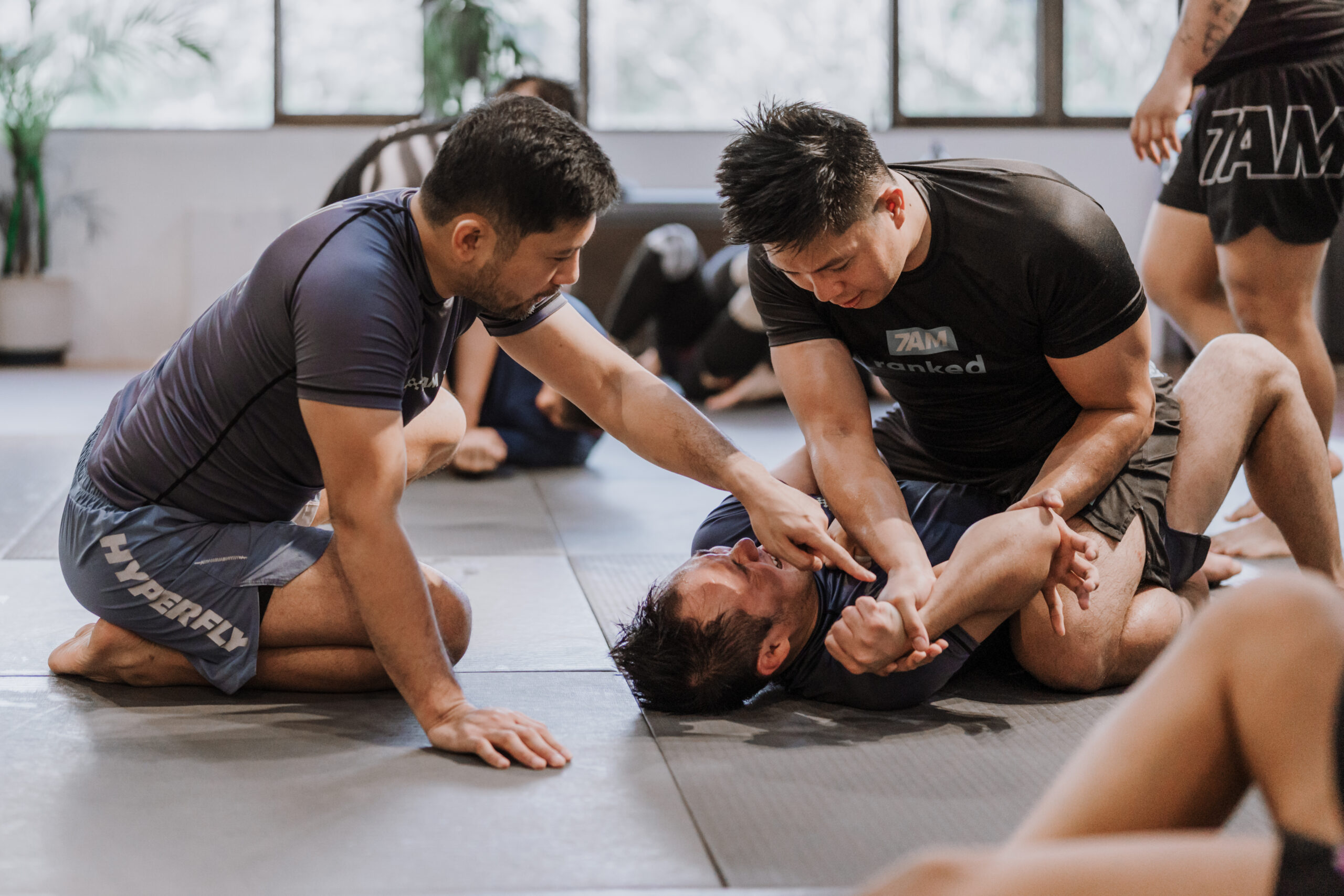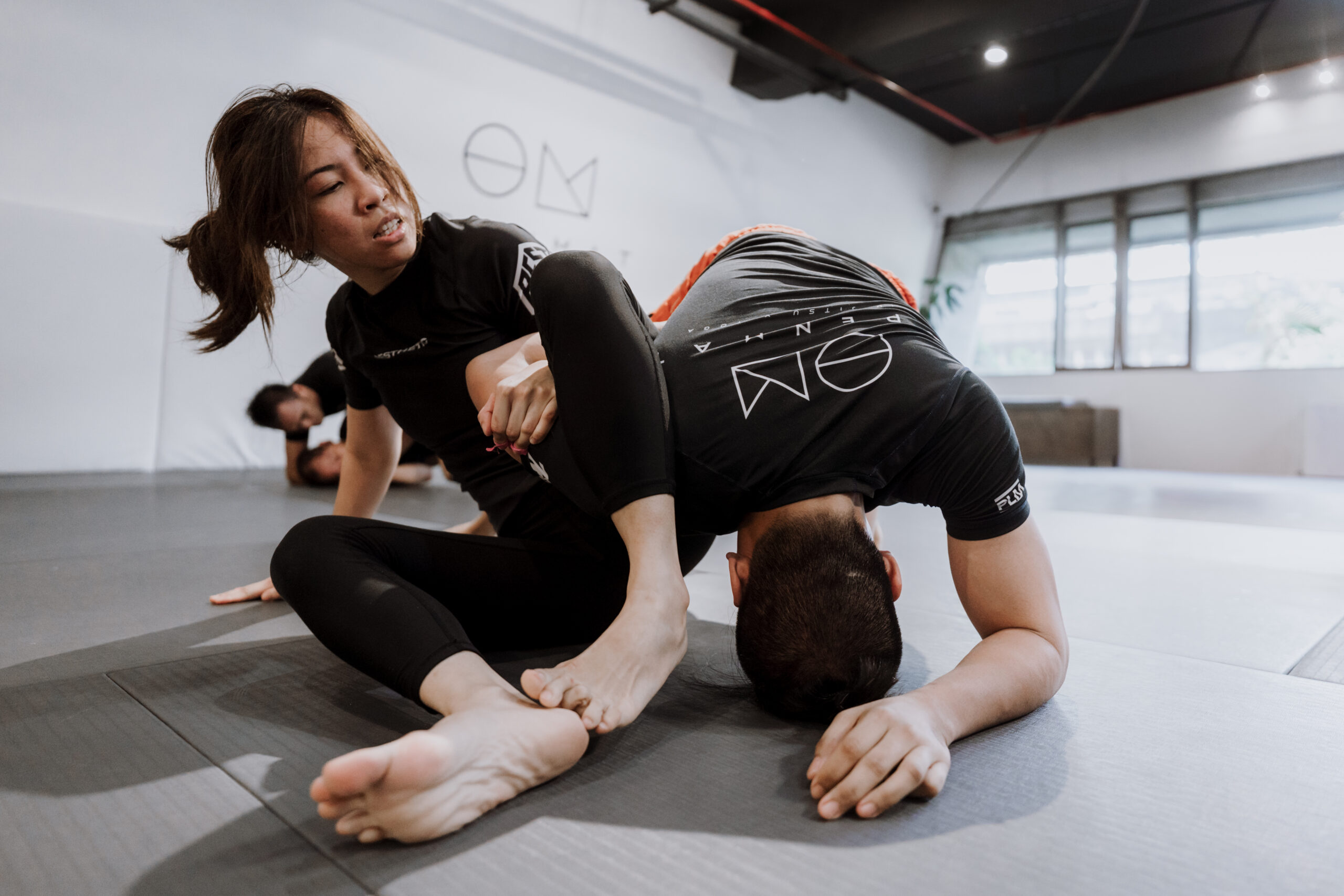
Brazilian Jiu-Jitsu (BJJ) is a martial art that has gained immense popularity worldwide, transcending boundaries of age, gender, and physical abilities. Originating from the Japanese jiu-jitsu techniques brought to Brazil in the early 20th century, BJJ has evolved into a comprehensive system of grappling, ground fighting, and self-defense.
BJJ emphasizes the use of leverage, timing, and technique over sheer physical strength, making it an effective and accessible discipline for individuals of all ages. Its focus on control, submission holds, and positional dominance allows practitioners to neutralize larger opponents, fostering a sense of empowerment and confidence.
As a martial art rooted in principles of respect, discipline, and personal growth, BJJ offers a unique opportunity for individuals to embark on a lifelong journey of self-improvement, both physically and mentally.
Can Anyone Do Brazilian Jiu-Jitsu?
One of the best things about Brazilian Jiu-Jitsu (BJJ) is that it doesn’t matter how old you are, how strong you are, or even if you’ve never done sports before. BJJ is built on leverage and technique, not raw strength. That means kids, teenagers, adults, and even seniors can all train safely and effectively.
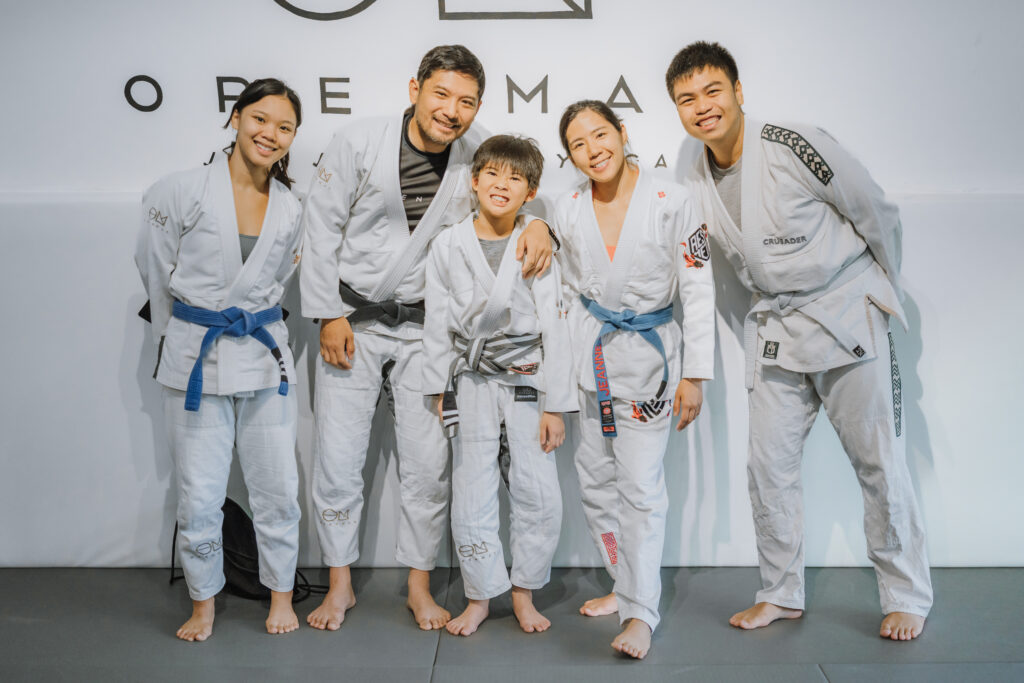
In Makati City, more and more families are discovering BJJ together. Parents sign up their kids for confidence and discipline. Adults join for fitness and stress relief. Seniors practice for mobility and mental sharpness. Everyone shares the mats.
What are the Benefits of BJJ for All Ages?
Practicing Brazilian Jiu-Jitsu offers a multitude of benefits that extend far beyond the physical realm. Regardless of age or experience level, individuals who embrace BJJ can reap the following advantages:
- Improved Physical Fitness: BJJ is a full-body workout that enhances cardiovascular endurance, flexibility, balance, and overall strength. Regular training sessions engage multiple muscle groups, promoting a well-rounded physical conditioning.
- Increased Self-Confidence: By mastering techniques and overcoming challenges on the mat, practitioners develop a sense of accomplishment and self-assurance that translates into other aspects of their lives.
- Stress Relief and Mental Clarity: The intense focus required during BJJ training can serve as a form of meditation, allowing practitioners to clear their minds and alleviate stress and anxiety.
- Discipline and Respect: BJJ instills values of discipline, respect, and humility, fostering personal growth and character development.
- Self-Defense Skills: While BJJ emphasizes non-violent conflict resolution, it equips practitioners with effective self-defense techniques, promoting a sense of security and confidence in potentially dangerous situations.
BJJ techniques and principles
At the core of Brazilian Jiu-Jitsu lies a set of fundamental techniques and principles that form the foundation of the art. These include:
- Positional Control: BJJ emphasizes controlling an opponent’s position and movements, limiting their ability to escape or counter-attack.
- Leverage and Technique: Rather than relying solely on physical strength, BJJ utilizes leverage, proper body mechanics, and technique to overcome larger or stronger opponents.
- Submissions: BJJ employs a wide range of joint locks and chokes to force an opponent to submit or “tap out,” without causing permanent injury.
- Guard Positions: The guard is a fundamental concept in BJJ, where the practitioner uses their legs to control and defend against an opponent, creating opportunities for sweeps, submissions, and positional transitions.
- Transitions and Fluidity: BJJ emphasizes seamless transitions between techniques and positions, allowing practitioners to maintain control and adapt to changing situations on the mat.
Is Brazilian Jiu-Jitsu Good for Kids?
Introducing children to Brazilian Jiu-Jitsu at an early age can have profound benefits for their physical, mental, and emotional development. BJJ for kids focuses on:
Building Confidence
By learning effective self-defense techniques and overcoming challenges on the mat, children develop a sense of self-assurance and confidence in their abilities.
Fostering Discipline
The structured nature of BJJ training instills discipline, respect for authority, and the ability to follow instructions, valuable life skills that extend beyond the mat.
Promoting Physical Fitness
BJJ training for kids incorporates fun and engaging exercises that improve coordination, flexibility, and overall physical conditioning.
Teaching Non-Violence
BJJ emphasizes using techniques for self-defense purposes only, promoting non-violent conflict resolution and respect for others.
Developing Social Skills
Training in a group setting encourages teamwork, communication, and the formation of healthy friendships with like-minded individuals.
How Does BJJ Help Teenagers?
As children transition into their teenage years, Brazilian Jiu-Jitsu can play a crucial role in their personal growth and development. BJJ for teenagers focuses on:
Enhancing Self-Defense
With increased physical capabilities, teenagers can delve deeper into BJJ’s self-defense techniques, equipping them with the skills to protect themselves in potentially dangerous situations.
Building Strength and Conditioning
BJJ training for teenagers incorporates strength and conditioning exercises, promoting overall physical development and preparing them for the demands of the sport.
Boosting Self-Confidence
The challenges and accomplishments experienced on the mat can help teenagers develop a strong sense of self-confidence and resilience, essential qualities during this formative stage of life.
Promoting Discipline and Focus
The discipline required in BJJ training can translate into improved focus and concentration in academic and extracurricular pursuits.
Fostering Healthy Peer Relationships
Training alongside peers in a supportive environment encourages the development of healthy relationships, teamwork, and respect for others.
Why Should Adults Train Brazilian Jiu-Jitsu?
For adults, Brazilian Jiu-Jitsu offers a unique opportunity to prioritize physical fitness, mental well-being, and personal growth. BJJ for adults focuses on:
Comprehensive Fitness
BJJ training combines cardiovascular exercise, strength training, and flexibility work, providing a well-rounded fitness regimen that can improve overall health and physical conditioning.
Stress Relief and Mindfulness
The intense focus required during BJJ training can serve as a form of meditation, allowing practitioners to clear their minds and alleviate stress and anxiety.
Building Self-Confidence
Mastering new techniques and overcoming challenges on the mat can boost self-confidence and a sense of accomplishment, positively impacting personal and professional aspects of life.
Developing a Supportive Community
BJJ academies often foster a strong sense of community, providing a supportive environment for personal growth and camaraderie among like-minded individuals.
Lifelong Learning and Personal Growth
BJJ offers a continuous journey of learning and self-improvement, allowing practitioners to constantly challenge themselves and expand their knowledge and skills.
How Can You Start BJJ at Any Age?
Regardless of your age or experience level, getting started with Brazilian Jiu-Jitsu is an accessible and rewarding journey. Here are some tips to help you embark on your BJJ journey:
- Find a Reputable Academy: Research local BJJ academies and look for experienced instructors with a positive reputation. Many academies offer trial classes or introductory programs to help you get a feel for the art.
- Start at the Appropriate Level: Most academies offer separate classes for beginners, intermediate, and advanced practitioners, as well as dedicated classes for specific age groups, such as kids or seniors.
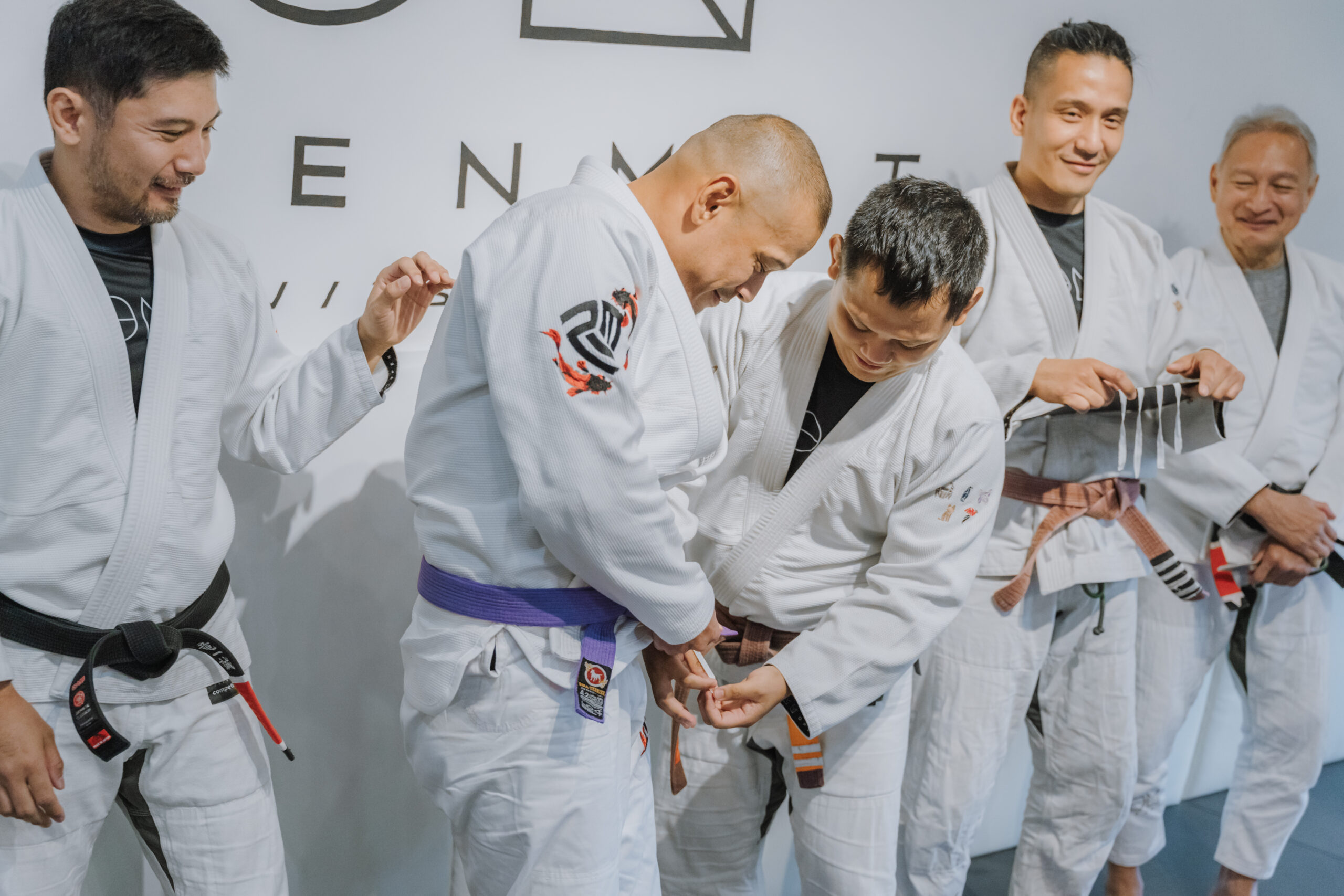
- Invest in Proper Equipment: While most academies provide loaner gear for beginners, investing in your own BJJ gi (uniform) and belt can enhance your training experience and personal commitment to the art.
- Embrace the Learning Process: BJJ is a lifelong journey, and progress takes time and dedication. Approach each class with an open mind, a willingness to learn, and a commitment to continuous improvement.
- Foster a Supportive Community: Engage with your fellow practitioners, ask questions, and seek guidance from experienced members of the academy. The BJJ community is known for its camaraderie and support.
Is BJJ Safe for Kids, Adults, and Seniors?
While Brazilian Jiu-Jitsu is a relatively safe martial art when practiced under proper supervision and with the appropriate safety measures, it’s essential to consider age-specific precautions:
- Kids and Teenagers: Ensure that instructors are experienced in working with younger age groups and prioritize safety. Proper supervision, age-appropriate techniques, and a focus on control and discipline are crucial.
- Adults: Consult with a healthcare professional, especially if you have any pre-existing medical conditions or injuries. Proper warm-up, stretching, and gradual progression are essential to prevent injuries.
- General Safety Measures: Regardless of age, following proper mat etiquette, using appropriate protective gear (such as mouthguards), and maintaining good hygiene practices can help ensure a safe and enjoyable training environment for all.
Takeaway
Brazilian Jiu-Jitsu is a martial art that transcends age, offering a unique opportunity for individuals of all ages to embark on a journey of personal growth, physical fitness, and self-empowerment. From developing discipline and confidence in children to enhancing mobility and mental agility in seniors, BJJ provides a comprehensive framework for lifelong learning and self-improvement.
If you’re in Makati City, Open Mat Makati’s Brazilian Jiujitsu classes offers a path to health, personal growth, and community—no matter your age. Step onto the mats, and you’ll find that Brazilian Jiu-Jitsu is more than a martial art. It’s a journey that lasts a lifetime.