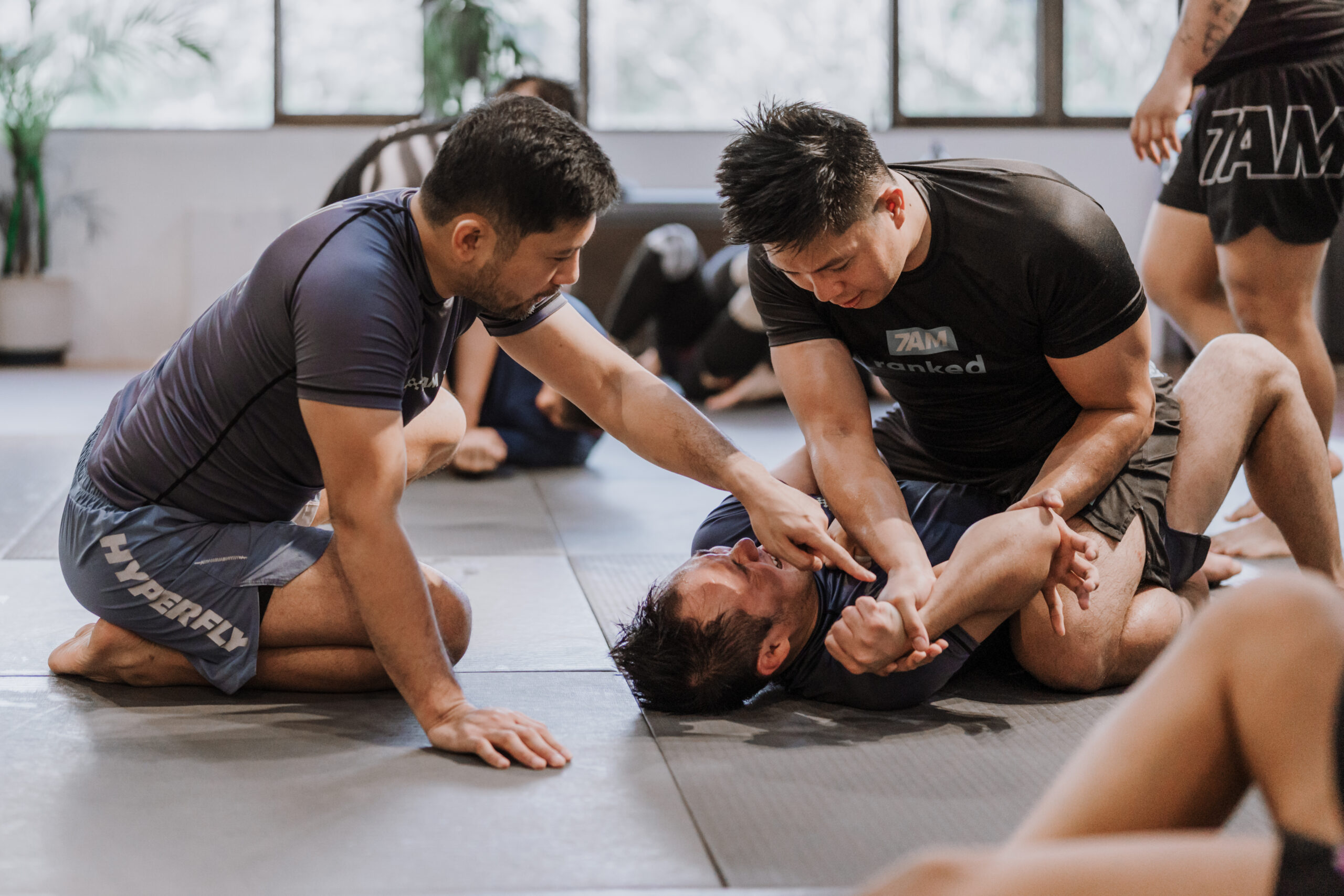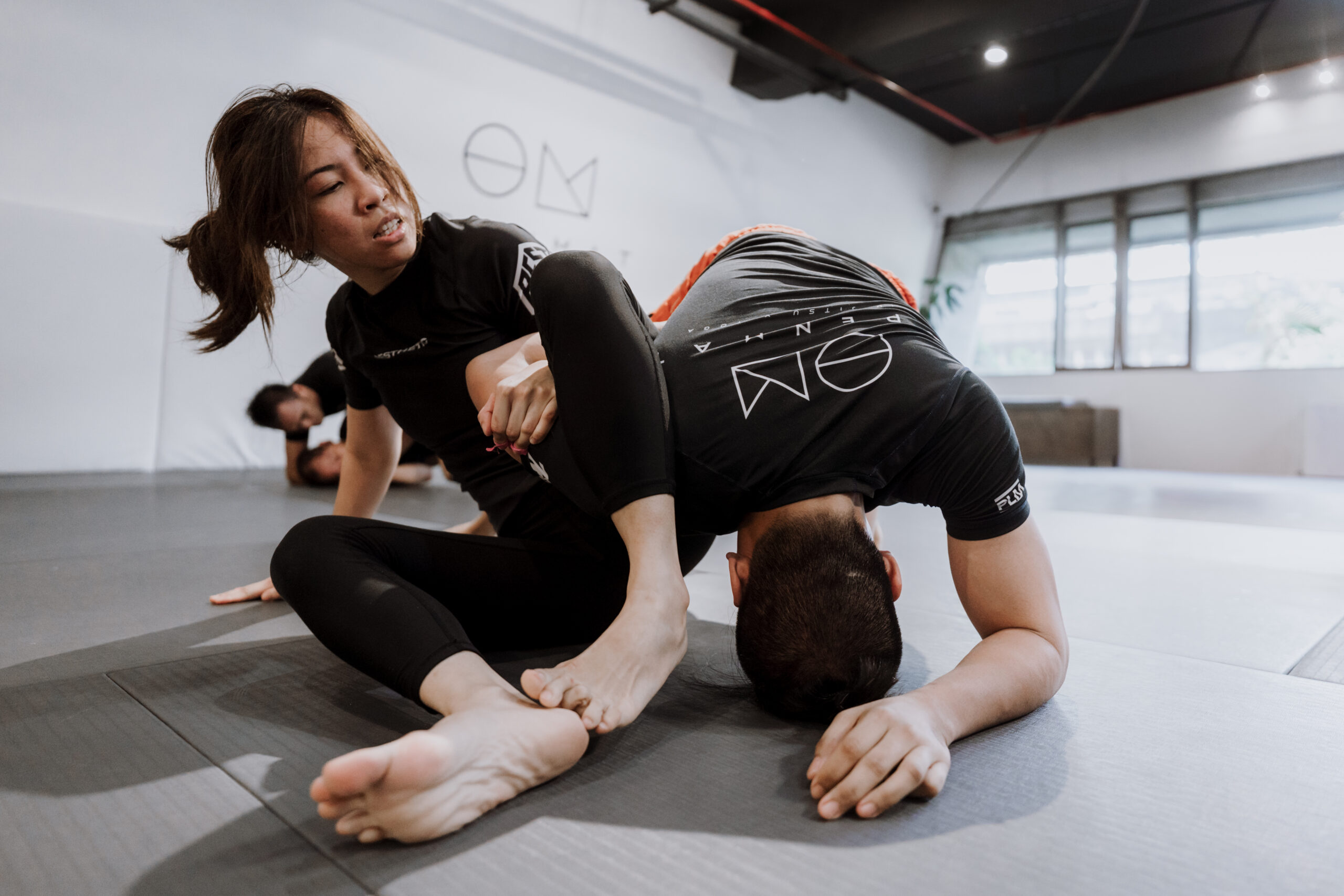
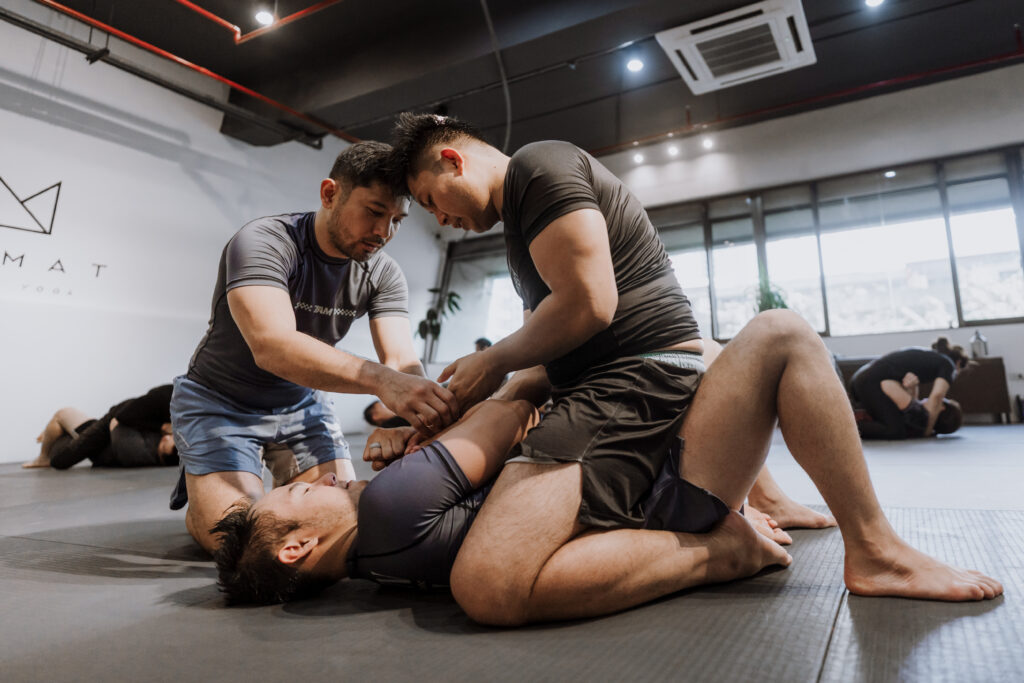
Brazilian Jiu-Jitsu (BJJ) tournaments offer a unique opportunity for practitioners to test their skills against opponents from various backgrounds and experience levels. These events are not only a platform for personal growth but also a chance to showcase one’s dedication and mastery of the art. However, succeeding in a tournament requires meticulous preparation, both mentally and physically. This comprehensive guide aims to provide essential tips for those aspiring to excel in BJJ competitions.
Why Should You Prepare for a BJJ Tournament?
Participating in a BJJ tournament without adequate preparation can be a daunting and potentially overwhelming experience. Proper preparation not only enhances one’s chances of success but also minimizes the risk of injury and ensures a positive overall experience. By following a structured approach, competitors can build confidence, refine their techniques, and develop the necessary mental fortitude to perform at their best when it matters most.
How Do You Prepare Mentally for a BJJ Tournament?
Mental preparation is a crucial aspect of tournament success. It involves cultivating the right mindset, managing expectations, and developing strategies to cope with the inherent pressures of competition.
Visualize Success
Engage in visualization exercises, imagining yourself executing techniques flawlessly and emerging victorious. This practice can reinforce positive self-belief and boost confidence.
Set Realistic Goals
Establish achievable goals for the tournament, such as aiming for a specific placement or focusing on executing specific techniques. Realistic goals can help maintain a positive mindset and prevent disappointment.
Practice Mindfulness
Incorporate mindfulness techniques, such as deep breathing exercises or meditation, into your routine. These practices can help cultivate a calm and focused state of mind, essential for optimal performance under pressure.
How Should You Train Physically for a BJJ Tournament?
Physical preparation is paramount for success in BJJ tournaments. It encompasses various aspects, including strength training, conditioning, and technique refinement.
Strength and Conditioning
Incorporate a well-rounded strength and conditioning program into your training regimen. Focus on exercises that target the specific muscle groups utilized in BJJ, such as the core, grip strength, and overall body control.
Cardio and Endurance
Develop a robust cardiovascular base through activities like running, rowing, or high-intensity interval training (HIIT). Increased endurance will enable you to maintain a high pace throughout the tournament matches.
Technique Refinement
Dedicate ample time to drilling and refining your techniques. Identify your strengths and weaknesses, and work on polishing your go-to moves and defensive strategies.
What Should You Eat and Drink Before a BJJ Tournament?
Proper nutrition and hydration are essential for optimal performance and recovery during BJJ tournaments. A well-planned diet can provide the necessary energy and nutrients to sustain intense physical activity.
Balanced Macronutrients
Ensure your diet includes a balanced ratio of carbohydrates, proteins, and healthy fats. Carbohydrates provide energy, while proteins support muscle recovery and repair.
Hydration Strategy
Stay hydrated throughout the tournament by consuming water or electrolyte-rich beverages. Dehydration can lead to fatigue, impaired performance, and increased risk of injury.
Timing of Meals
Plan your meals and snacks strategically around your competition schedule. Consume easily digestible foods before matches to avoid discomfort or sluggishness.
How Do You Structure Training Before a Tournament?
Developing a structured training schedule in the weeks and months leading up to the tournament is crucial for optimal preparation.
Periodization
Implement a periodized training plan that progressively increases intensity and volume as the tournament approaches, followed by a tapering phase to allow for recovery and peak performance.
Specific Training
Incorporate tournament-specific drills and scenarios into your training sessions. This could include practicing under time constraints, simulating match conditions, or working on situational strategies.
Active Recovery
Schedule active recovery sessions, such as light drilling, stretching, or mobility work, to aid in muscle recovery and prevent overtraining.
What Role Does Drilling Play in BJJ Tournament Prep?
Consistent practice and refinement of techniques are essential for success in BJJ tournaments. Dedicate time to drilling specific techniques and strategies that align with your strengths and game plan.
- Positional Sparring: Engage in positional sparring sessions, focusing on specific positions or scenarios that you anticipate encountering during the tournament.
- Partner Drilling: Work with training partners to drill techniques, transitions, and counters. Seek feedback and make adjustments to improve efficiency and effectiveness.
- Video Analysis: Record your training sessions and analyze the footage to identify areas for improvement. Seek guidance from coaches or experienced teammates for constructive feedback.
How Do You Manage Weight Safely for a Tournament?
Proper weight management is crucial for competing in the appropriate weight class and maximizing performance. Develop a strategic approach to achieving and maintaining your desired weight without compromising your health or strength.
- Gradual Weight Loss: If necessary, aim for gradual and sustainable weight loss through a combination of diet and exercise. Avoid rapid or extreme weight-cutting methods, as they can compromise your performance and recovery.
- Hydration Monitoring: Closely monitor your hydration levels leading up to the tournament. Dehydration can negatively impact your weight and overall performance.
- Post-Weigh-In Recovery: After the weigh-in, focus on rehydrating and replenishing your energy stores. Consume fluids, electrolytes, and easily digestible carbohydrates to optimize your recovery before the competition.
How Do You Prepare for Different Opponents?
In BJJ tournaments, you may face a variety of opponents with different styles, strengths, and strategies. Mental preparation for these diverse scenarios is crucial.
Scouting Opponents
If possible, gather information about potential opponents, such as their preferred techniques, strengths, and weaknesses. This can help you develop counter-strategies and adjust your game plan accordingly.
Scenario Visualization
Visualize different match scenarios, including facing larger or smaller opponents, dealing with aggressive or defensive styles, and adapting to unexpected situations.
Mindset Adjustment
Cultivate a flexible mindset that allows you to adapt and adjust your strategies based on the opponent’s tendencies and the flow of the match.
How Do You Stay Calm on Tournament Day?
Competing in a BJJ tournament can be a nerve-wracking experience. Implement strategies to manage anxiety and maintain a calm, focused mindset.
- Breathing Exercises: Practice deep breathing exercises to help regulate your heart rate and calm your mind before and during matches.
- Positive Self-Talk: Engage in positive self-talk and affirmations to reinforce your confidence and focus on your strengths and preparation.
- Support System: Surround yourself with a supportive team or family members who can provide encouragement and help you stay grounded.
Pre-tournament checklist and logistics
Proper planning and organization can help ensure a smooth and stress-free tournament experience. Create a pre-tournament checklist to ensure you have everything you need.
- Equipment Check: Ensure you have all the necessary equipment, such as your gi, belt, mouthguard, and any other required gear.
- Travel and Accommodation: Plan your travel and accommodation arrangements in advance to minimize stress and ensure you arrive well-rested.
- Tournament Schedule and Rules: Familiarize yourself with the tournament schedule, rules, and regulations to avoid any surprises or disqualifications.
What Should You Do After Your First Tournament?
The post-tournament period is crucial for recovery and reflection. Take the time to properly rest and recuperate, and analyze your performance to identify areas for improvement.
- Active Recovery: Engage in light physical activity, such as stretching or low-impact cardio, to aid in muscle recovery and reduce soreness.
- Nutrition and Hydration: Focus on replenishing your body with nutrient-dense foods and fluids to support recovery and repair.
- Performance Analysis: Reflect on your tournament experience, both successes and areas for improvement. Seek feedback from coaches or training partners, and develop a plan for addressing any weaknesses or areas of concern.
Takeaway
Mastering the art of BJJ tournament preparation is a journey that requires dedication, discipline, and a strategic approach. By implementing the tips and strategies outlined in this guide, you can enhance your physical and mental readiness, refine your techniques, and develop the confidence to perform at your best when it matters most. Remember, preparation is key to success, and with the right mindset and commitment, you can achieve your goals and excel in the world of BJJ competitions.